Will vs. Trust in South Carolina: What’s the Difference and Which Do You Need?
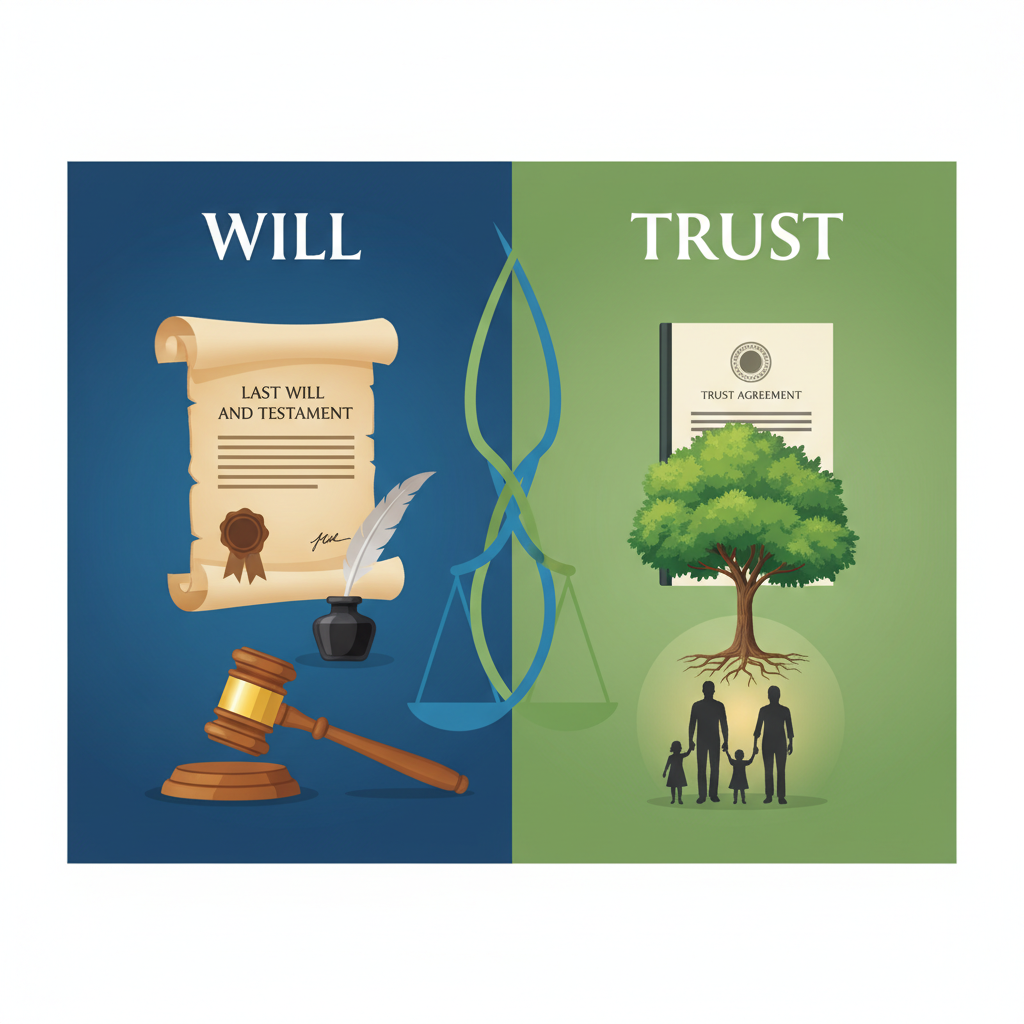
When you’re planning for the future, two of the most common tools you’ll hear about are wills and trusts. Both help you control what happens to your property and loved ones, but they work in very different ways. In South Carolina, choosing the right approach can reduce stress for your family and help avoid expensive delays.
What a Will Does
A will is a written document that states who should receive your assets after you die. It can also:
-
Name a personal representative to carry out your wishes
-
Name a guardian for minor children
-
Provide instructions for handling your remaining affairs
A will is often the foundation of an estate plan, especially for parents of minor children. But in most cases, a will also means your estate will likely go through probate (the court-supervised process of settling the estate).
What a Trust Does
A trust is a legal arrangement where a trustee manages assets for the benefit of one or more beneficiaries. Many people create a revocable living trust, which can be changed during your lifetime and typically becomes irrevocable at death.
A trust may help:
-
Avoid or reduce probate
-
Provide privacy (trusts are not generally public like probate filings can be)
-
Make it easier to manage assets if you become incapacitated
-
Control how and when beneficiaries inherit (for example, staggered distributions)
Probate: A Key Difference
One of the biggest practical differences is this:
-
Wills generally require probate to transfer assets
-
Trusts can transfer assets outside probate if the trust is properly funded (meaning assets are titled in the trust)
Do You Need Both a Will and a Trust?
Often, yes. Many trust-based estate plans still include a “pour-over will,” which directs any assets not already in the trust to be placed into it at death. A will also handles important issues a trust may not cover—like naming guardians for minor children.
Which Option Is Right for You?
A will might be enough if:
-
Your estate is simple
-
You’re comfortable with probate
-
You mainly need to name guardians and basic beneficiaries
A trust may be a better fit if:
-
You want to reduce probate delays and hassle
-
You own real estate or have more complex assets
-
You want privacy
-
You want stronger control over distributions (especially for minors or beneficiaries who need protections)
Common Mistake: Creating a Trust but Not Funding It
A trust only works as intended when it actually owns the assets it’s meant to manage. That means updating titles, beneficiary designations, and accounts where appropriate. This is one of the most overlooked steps—and one of the most important.
Talk With a South Carolina Estate Planning Attorney
Choosing between a will, a trust, or a combination isn’t about “one is better.” It’s about what fits your family, assets, and goals.
Ready to protect your family and your legacy? The Law Office of Israel Stone can help you build an estate plan tailored to South Carolina law and your real-life needs. Contact us to schedule a consultation.